BlogsDigital Skills & Freelancing
Top 10 Freelancing Skills to Learn in 2026
S
StudentEra TeamJan 1, 2026
8 min read

Freelancing in 2026 is no longer about “learning a tool” and waiting for clients.
The market has matured. Clients are sharper. AI has erased low-skill work.
So the real question is not “What skill should I learn?”
It’s:
What skill makes a client trust me with their money?
Below are 10 freelancing skills that will matter in 2026, not because they’re trendy, but because they solve real, expensive problems.
1. AI Workflow Engineering (Not Prompt Writing)
Let’s be clear:
Prompt writing alone is already commoditized.
What businesses actually need in 2026 is AI workflow engineering:
- Connecting AI tools with real business processes
- Automating reports, content, customer support, analysis
- Designing systems that reduce human workload, not just generate text
Example:
- A freelancer who builds an AI system that:
- Reads customer emails
- Categorizes them
- Drafts replies
- Pushes summaries into Slack or CRM
This is leverage, not novelty.
Why it pays:
Businesses don’t pay for “AI knowledge.”
They pay for time saved and mistakes reduced.
2. Full-Stack Web Development (With Business Sense)
Web development isn’t dying.
Bad developers are.
In 2026, clients don’t want:
- Another landing page
- Another CRUD app
They want:
- Performance
- Security
- Scalability
- Conversion-focused UX
Frameworks change. Principles don’t.
If you understand:
- Frontend performance
- Backend architecture
- Databases
- APIs
- Deployment
…and you can explain why your decisions make the business money, you stay relevant.
Hard truth:
If you only “code what the client says,” AI will replace you.
If you design systems, it won’t.
3. Short-Form Video Strategy (Not Editing)
Everyone can edit videos now.
CapCut + AI already did that.
The rare skill is short-form strategy:
- Knowing what to say
- When to hook
- Why a video converts
- Which platform to prioritize
Clients care about:
- Retention
- Click-through
- Sales, not views
A freelancer who can say:
“This 30-second video will bring leads, not likes”
…wins.
Why it pays:
Businesses are moving budgets from ads to organic short-form.
They need brains, not editors.
4. Performance Marketing (With Data Literacy)
In 2026, “running ads” is easy.
Understanding data is hard.
High-value freelancers can:
- Read funnels
- Analyze drop-offs
- Optimize CAC vs LTV
- Explain numbers in plain language
Tools change (Meta, Google, TikTok).
But decision-making based on data stays.
Important distinction:
Anyone can spend money on ads.
Few can prove ROI.
5. Technical Content Writing (Human + AI Hybrid)
AI writes fast.
Humans write clear, credible, contextual content.
Technical content that still pays:
- Developer blogs
- SaaS documentation
- Case studies
- Thought leadership posts
The winning writer in 2026:
- Uses AI for drafts
- Uses human judgment for structure, tone, accuracy
- Understands the product, not just grammar
Why it survives AI:
Businesses don’t trust AI to explain their product correctly.
6. No-Code / Low-Code System Building
This is not about “easy money.”
It’s about speed to solution.
Clients want:
- Internal dashboards
- Simple CRMs
- MVPs
- Automation between tools
Using platforms like:
- Webflow
- Bubble
- Retool
- Zapier / Make
A freelancer who can build something in days instead of months is extremely valuable.
Reality check:
No-code doesn’t replace developers.
It replaces slow execution.
7. Cybersecurity Fundamentals for Businesses
You don’t need to be a hacker.
In 2026, small businesses need freelancers who can:
- Audit basic security
- Secure servers
- Set up backups
- Prevent common attacks
Most breaches happen due to basic mistakes, not Hollywood-level hacking.
Why this explodes:
Remote work + cloud + AI = more attack surfaces.
Trust is expensive. Security sells.
8. Productized Freelancing (Packaging Skills)
This is a meta-skill, and most freelancers ignore it.
Instead of:
“I do everything”
You sell:
- A fixed service
- Clear scope
- Clear outcome
- Clear price
Example:
- “AI Customer Support Setup in 7 Days”
- “YouTube Shorts Growth System for Coaches”
Clients prefer certainty over flexibility.
Why it matters in 2026:
Decision fatigue is real.
Clear offers win.
9. Niche Community Building & Monetization
Audiences are fragmenting.
Freelancers who can:
- Build niche communities (WhatsApp, Discord, Email)
- Monetize via services, products, consulting
…become anti-fragile.
This is not influencer work.
It’s trust-based micro-economies.
Hard truth:
10,000 engaged people beat 1 million passive followers.
10. Problem Framing & Consulting Thinking
This is the highest-level freelancing skill.
Clients don’t always know:
- What they need
- What’s broken
- What to prioritize
A freelancer who can:
- Ask the right questions
- Define the real problem
- Propose the right solution
…moves from executor to advisor.
And advisors don’t compete on price.
Final Reality Check
If you’re choosing a freelancing skill in 2026, ask yourself:
- Does this skill save money, make money, or reduce risk?
- Can I explain my value without mentioning tools?
- Can AI fully replace this, or only assist it?
Tools change every year.
Thinking skills compound for decades.
S
Written by StudentEra Team
The StudentEra editorial team brings you the latest updates in education and technology.
Related Stories
View all posts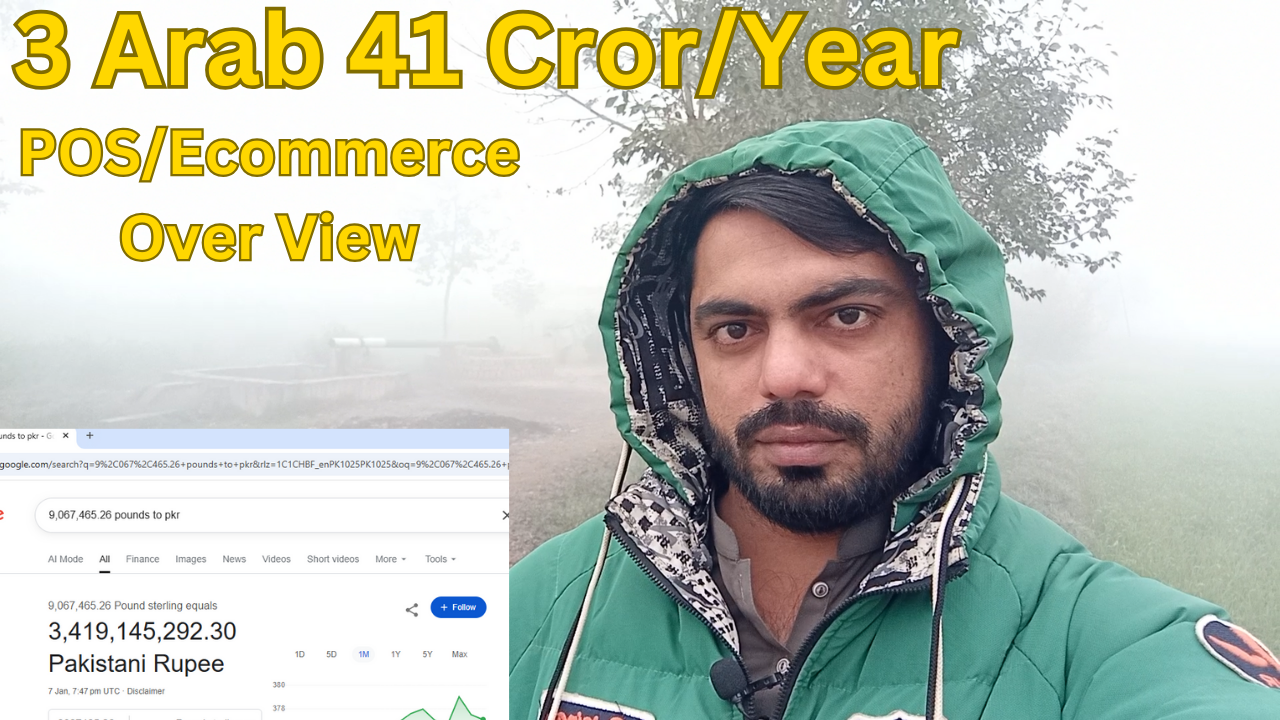
Digital Skills & Freelancing
Jan 8, 2026
4 min read
What Is a POS System? How a UK Business Generates Billions Using Software — Managed from Pakistan
A real-world breakdown of a modern POS (Point of Sale) system managing £90 million in UK sales—equivalent to over 3.4 billion PKR—handled remotely from Pakistan. Learn how POS software works, what features actually matter, and why skills beat location in today’s digital economy.
Get the best stories directly in your inbox
Join 15,000+ students and professionals staying ahead of the curve. No spam, unsubscribe anytime.